
Leash Etiquette: An Important Skill
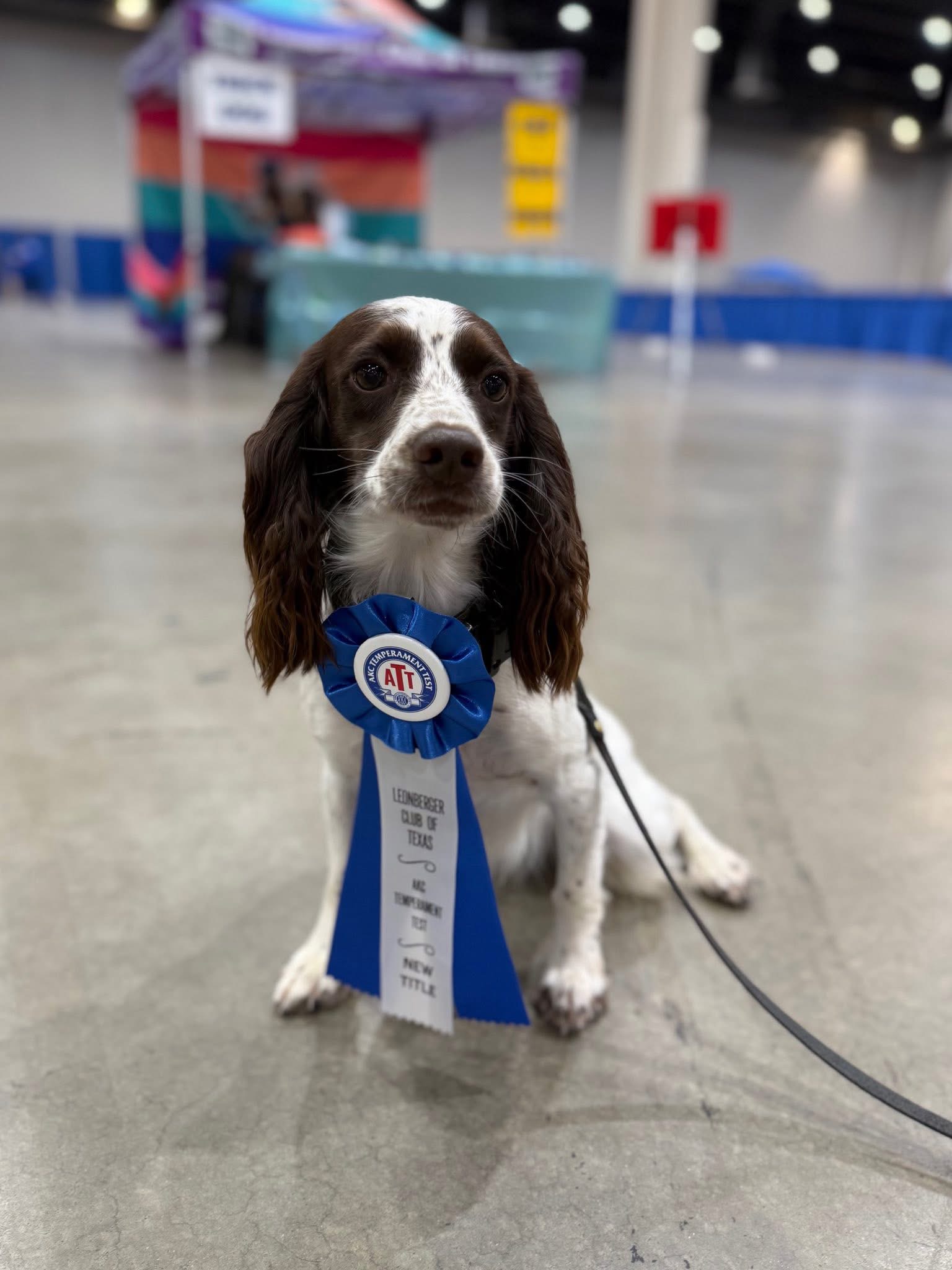
Loose Leash Walking
Walks should feel enjoyable for both you and your dog. If your dog pulls the entire time, zig zags from side to side, or feels like they’re towing you down the sidewalk, it can turn something simple into something frustrating pretty fast. The good news is loose leash walking is a skill, and like any skill, it can be taught with practice.
For most dogs, pulling is natural. They move faster than we do, they’re excited to explore, and the world outside is full of smells, sights, and distractions. Pulling does not mean your dog is being stubborn or trying to “be dominant.” Usually they’re just eager to get somewhere. Teaching leash manners is about helping them learn how to move with you instead of against the leash.
Loose leash walking is something that is an important skill! It is one thing that every owner should strive to teach their dog.
.webp)
Loose leash walking takes repetition and patience. It usually starts in low distraction spaces before expecting it on a busy walk. Practicing in the house, driveway, or backyard can make a big difference before adding the excitement of the neighborhood. The goal is helping your dog learn that staying near you and keeping slack in the leash is what gets them moving forward.
Reward the moments you like. A loose leash, checking in with you, walking beside you, slowing down with you. Those small moments add up quickly. Over time your dog starts connecting the dots that staying with you is rewarding and pulling does not get them where they want to go faster.
Steps For Success
1. Start somewhere quiet
Begin inside the house, driveway, or backyard before practicing on a full walk. Fewer distractions makes it easier for your dog to focus and easier for you to reward the right moments.
2. Reward your dog for being near you
With your dog on leash, take a few steps and reward them when they stay close with slack in the leash. You’re helping them learn that being near you is valuable.
3. Take a few steps at a time
In the beginning, do not worry about walking far. Sometimes five or ten good steps is enough. Small successful reps build understanding faster than a long frustrating walk.
4. Stop when the leash gets tight
If your dog reaches the end of the leash and starts pulling, simply stop moving. Wait for them to release pressure or turn back toward you before continuing forward.
5. Resume moving when they reconnect with you
The moment your dog softens the leash, looks back, or steps toward you, continue walking. This teaches them that staying connected keeps the walk moving.
6. Slowly add more distractions
Once your dog understands the exercise in easier places, begin practicing in more challenging environments like sidewalks, parks, or around other dogs at a distance.
7. End on a good note
Try to finish while your dog is still successful. It does not need to be perfect. Even a few good moments together is progress and something worth building on.
This process does not work for every dog, but some steps that you can try at home and work towards your goal.
.webp)