
Polite Greetings & No Jumping
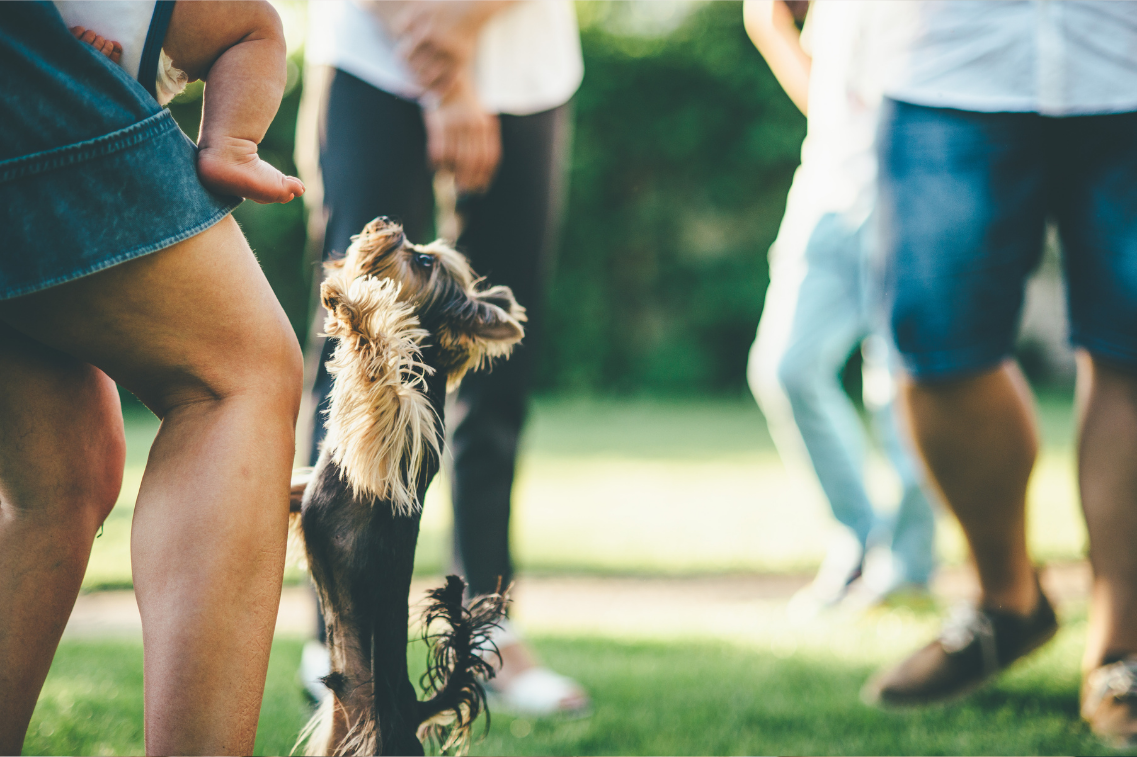
Polite Greetings and Jumping on People
Jumping usually comes from excitement. Your dog is happy to see you, happy to see guests, or simply caught up in the moment and looking for connection. While it often starts as friendly behavior, it can quickly become frustrating when muddy paws end up on clothes or when greetings feel chaotic at the front door. The good news is jumping is very common and very workable with a little consistency.
Most dogs jump because it has worked for them before. Eye contact, talking, touching, pushing them off, or even laughing can all feel rewarding to the dog. If attention follows jumping, the behavior tends to stick around. Teaching polite greetings is really about showing your dog what does earn attention instead.
The goal is not to take away your dog’s excitement or personality. We just want to channel that excitement into something calmer and easier to live with. Four paws on the floor, sitting to say hello, or calmly approaching someone can all become habits with practice.
There are times when simply rewarding the right choice is not enough, especially if jumping has become a long standing habit. In those moments, clear guidance can help your dog understand the boundary. That might look like calmly interrupting the jump, resetting the dog, and helping them try again. The goal is not punishment. It’s clear communication. We want the dog to understand what is expected while also showing them the behavior that earns attention.
A helpful way to work on this is to keep greetings simple and repeatable.
1. Approach calmly
Whether it’s you coming through the front door or a guest arriving, try to keep the energy low at first. Calm greetings are much easier for dogs to succeed with than loud excited ones.
2. Wait for paws on the floor
If your dog jumps, pause the interaction. No petting, no talking, no reaching down. The second paws return to the ground, attention can begin again.
3. Reward the behavior you want
The moment your dog stays grounded, sits, or greets politely, reward that choice with praise, petting, or a treat. That is the moment worth reinforcing.
4. Reset if needed
If your dog gets too excited and jumps again, calmly interrupt the behavior and guide them back into a more successful choice. Then try again. Clear repetition helps build understanding.
5. Practice with familiar people first
Start with household members before expecting perfect greetings with guests or strangers. Repetition in easier situations builds confidence.
6. Keep sessions short
A few successful greetings can go much further than one long overwhelming session. Ending on a good note is always okay.
Polite greetings take practice, especially for social or enthusiastic dogs. Improvement usually happens little by little. A lower jump, faster recovery, or choosing to sit instead of springing forward are all progress.
With consistency, patience, and clear communication, greetings can become much calmer and more enjoyable for everyone involved.
.webp)