
Understanding Your Dog’s Nutritional Needs
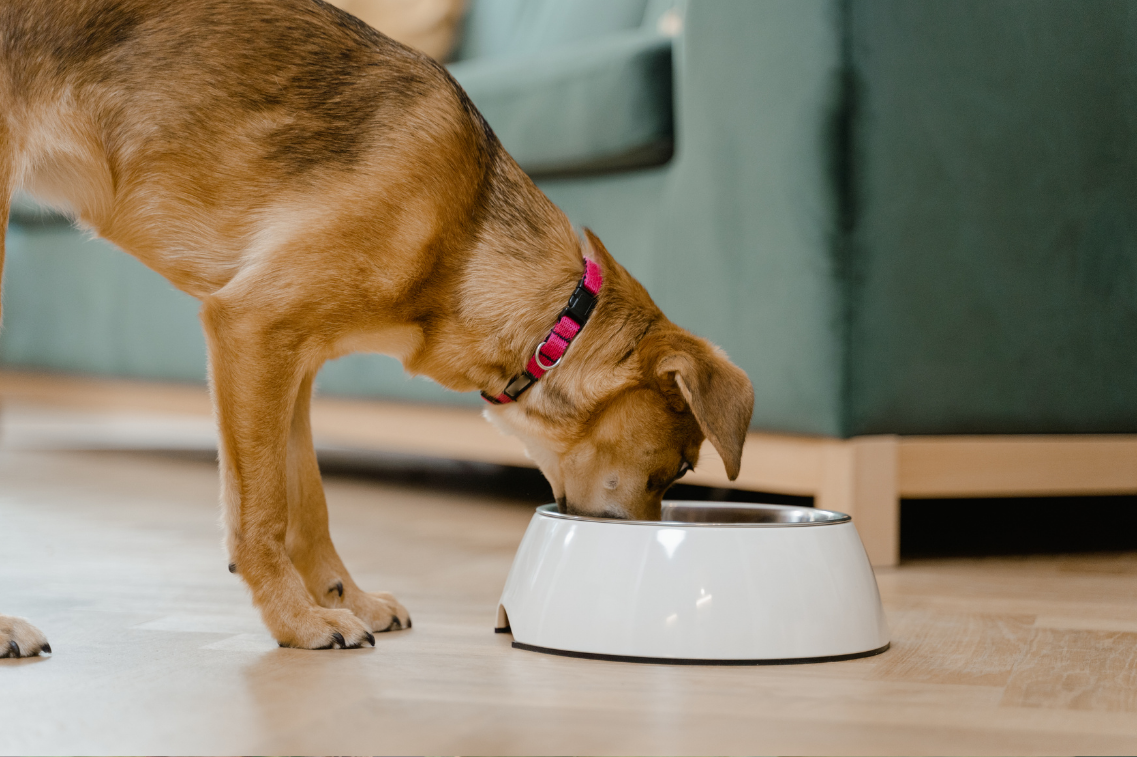
Choosing the Right Diet for Your Dog
Feeding your dog can feel surprisingly overwhelming. Walk into any pet store or start browsing online and suddenly there are hundreds of options, all claiming to be the best. Chicken, beef, lamb, salmon, grain free, large breed, limited ingredient, puppy formulas, senior formulas. It can feel like a lot very quickly. The truth is there usually is not one perfect food that works for every dog. The best diet is the one that supports your dog’s health, lifestyle, and individual needs.
Every dog is different. Age, activity level, breed, metabolism, medical history, and even personal preference can all play a role in what food works best. A young active sporting dog may thrive on a very different calorie intake than a senior dog who spends most of the day relaxing at home. Some dogs do great on almost anything, while others have sensitive stomachs, allergies, or specific nutritional needs that require more attention.
Because of that, it’s always a good idea to work closely with your veterinarian when making diet decisions, especially if your dog has ongoing skin issues, digestive concerns, frequent ear infections, sudden weight changes, or any medical condition that may be affected by nutrition. Your veterinarian knows your dog’s health history and can help guide you toward a diet that fits their needs.
Protein Options and Food Choices
One of the first things owners often notice on a dog food label is the protein source. Chicken is one of the most common proteins and is found in many everyday formulas. Beef is another popular option and can work well for many dogs. Lamb is often chosen for dogs who may need a different protein source or a more limited ingredient formula. Fish based diets, including salmon or whitefish, are also commonly used and can be a nice option for some dogs, especially when skin and coat support is a goal.
Other diets may include turkey, duck, pork, rabbit, or more novel proteins depending on the brand and formula. There is not one protein that is automatically “better” than the others. What matters most is how your individual dog does on it. Coat condition, stool quality, energy level, appetite, body condition, and overall health can all help tell you whether a food is working well.
When switching foods, slow transitions are usually easiest on the stomach. Gradually mixing the new food with the current food over several days can help reduce digestive upset and give your dog time to adjust.
Calories Matter More Than Many Owners Realize
One of the most overlooked parts of feeding is portion size. Even a high quality food can become a problem if your dog is being overfed or underfed. Feeding guidelines on the bag can be a helpful starting point, but they are just that... a starting point. Many dogs need adjustments based on their body condition and daily activity.
A highly active dog who trains, runs, hikes, or spends hours outside may burn significantly more calories than a dog with a quieter lifestyle. Puppies need more calories for growth. Senior dogs often need less as their metabolism slows down. Dogs recovering from illness or injury may have changing needs as well.
Watching your dog’s body condition is important. You should be able to feel the ribs without excessive fat covering them, while still seeing a healthy overall shape. If your dog is gaining or losing weight unexpectedly, adjusting calories and speaking with your veterinarian can be helpful.
Treats count too. Extras throughout the day can add up faster than many people realize, especially with multiple family members sneaking snacks.
Age and Life Stage Make a Difference
Age should always be part of the conversation when choosing food. Puppies have different nutritional needs than adults. They are growing quickly and need diets formulated to support development, joints, bones, and healthy growth. Adult dogs usually do best on a balanced maintenance diet suited to their activity level.
Senior dogs may benefit from different calorie intake, joint support, or formulas that are easier on digestion. Some older dogs stay incredibly active and continue eating similarly to adults, while others naturally slow down and need fewer calories to maintain a healthy weight.
Large breed puppies can have different needs than small breed puppies. Working dogs may have different nutritional demands than companion dogs. This is why choosing food based on life stage can be just as important as choosing based on ingredients.
A Few Things to Keep in Mind
• Talk with your veterinarian before making major diet changes, especially if your dog has medical concerns
• Choose a food appropriate for your dog’s age and life stage
• Consider your dog’s daily activity level when deciding how much to feed
• Transition to new food gradually whenever possible
• Monitor stool quality, coat condition, energy, appetite, and weight after changing diets
• Recheck portions occasionally since needs can change over time
• Fresh water should always be available
• Remember that treats and chews contribute to daily calorie intake too
Nutrition does not have to feel perfect to be good. Feeding your dog well is about finding what works for them and being willing to adjust when needed. A healthy diet is not just about what is in the bowl. It is also about making sure it matches your dog’s body, lifestyle, and stage of life. With a little observation and the right guidance, feeding can feel much less complicated and much more manageable.
.webp)